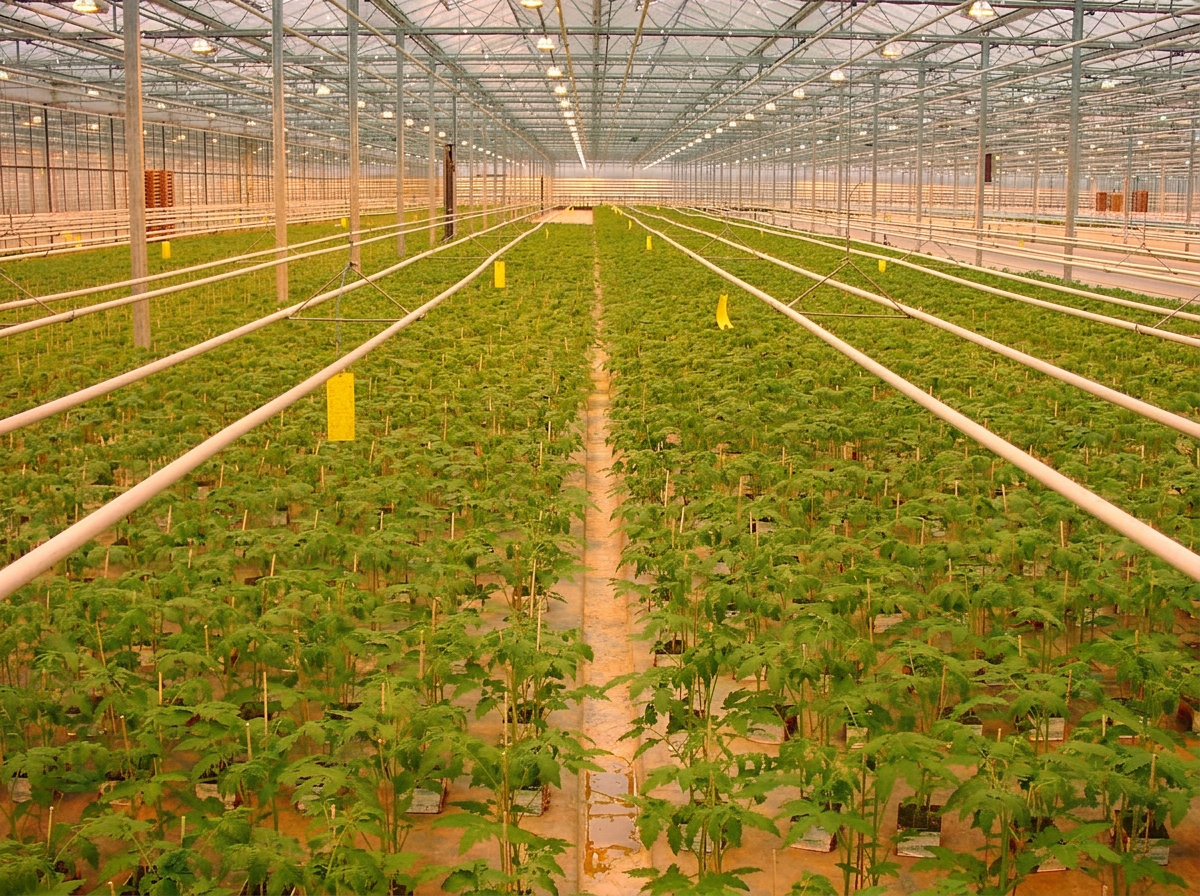
Nano bubble oxygenation for professional greenhouse cultivation
More oxygen where it matters: at the root zone
Improve irrigation water quality, support stronger roots and reduce biological pressure in recirculating greenhouse systems, with measurable dissolved oxygen from tank to dripper.
No large upfront investment: lease, test or buy nanobubbles for your greenhouse
Start with a measured pilot or a flexible lease. You do not need to buy the unit upfront. We measure the effect in your irrigation system, so you can decide based on your own measurements.
- Pilot of 4 to 8 weeks
- Lease or rental before purchase
- Oxygen measured from tank to dripper
Denmark · Netherlands · Europe
The water leaving your tank is not necessarily the water reaching your roots
Dissolved oxygen changes on the way through the system. Temperature, residence time, organic load and the irrigation layout all point the same way: less oxygen at the point where the crop actually takes it up.
- DO drops between day tank and dripper
- Warm summer water holds less oxygen, exactly when root stress peaks
- Organic load in recirculated drain water consumes oxygen
- Biofilm in lines and emitters restricts flow and feeds biological pressure
- Reuse ambitions are limited by water quality, not by pump capacity
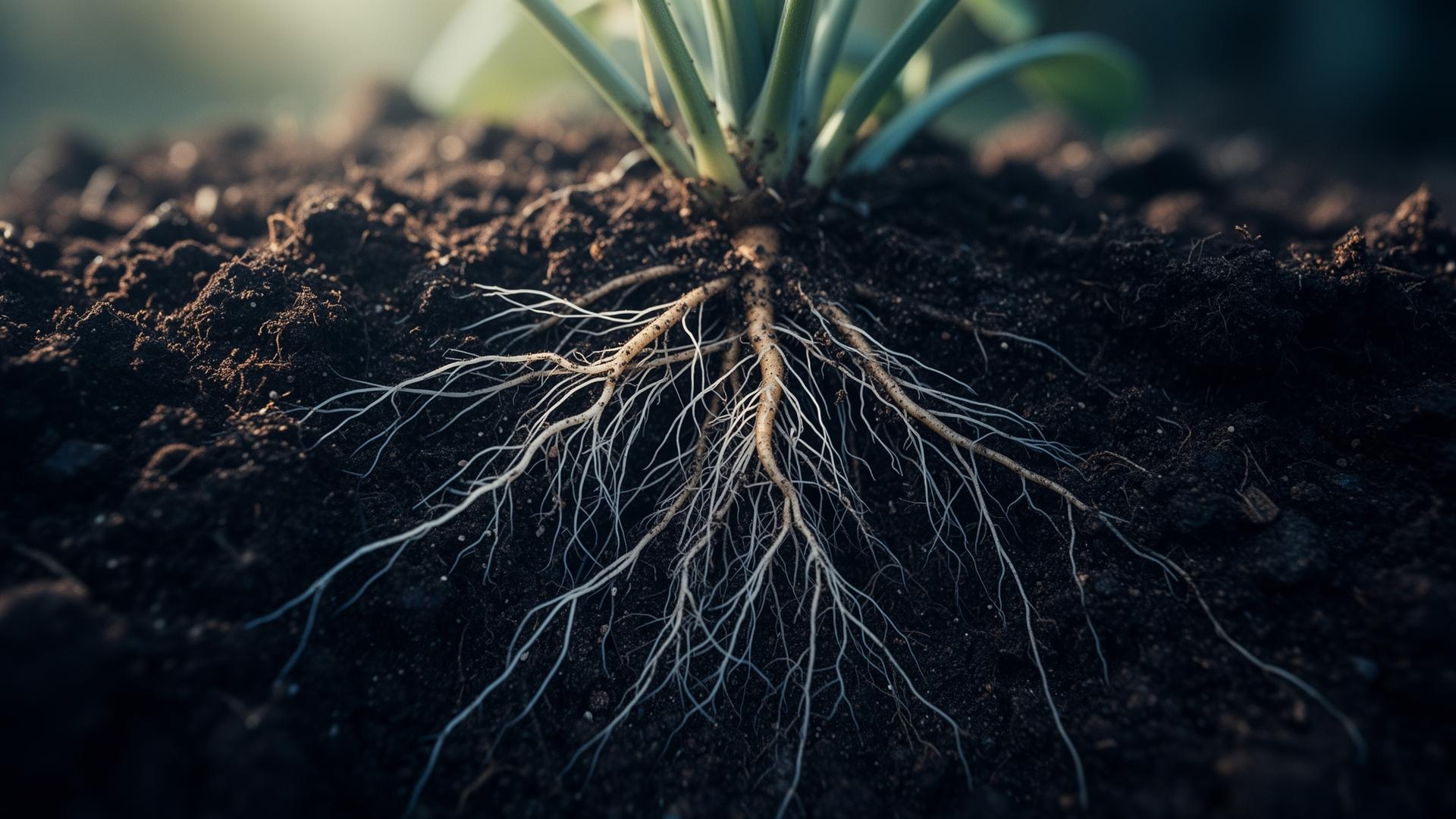
What growers are trying to achieve
Stronger roots
Aerobic conditions in the substrate support root development and root activity.
Stable DO at the dripper
Oxygen that survives the trip through the system, not just a high reading at the generator.
Lower biological pressure
Less favourable conditions for anaerobic root pathogens in the water loop.
Cleaner irrigation lines
Reduced biofilm means fewer clogged emitters and more even irrigation.
Greater crop resilience
Better root conditions during heat waves and other high-stress periods.
More robust recirculation
Water quality that supports a higher share of reuse in a closed loop.
What horticultural trials have shown
Yield in selected strawberry trials
Pythium pressure reported in the same trial
Higher and more stable dissolved oxygen through the irrigation loop
Results depend on crop, water system, temperature, baseline DO and cultivation conditions. BioSep therefore validates performance on-site before recommending full-scale deployment.
Why nanobubbles behave differently
The gas is sheared into bubbles smaller than 200 nanometres. They are too small to rise and pop, so instead of escaping at the surface they stay suspended and keep releasing oxygen along the irrigation loop. The unit sits in-line, typically after filtration and before the day tank.
Bubble diameter
Time suspended in water
Added to the water
Fits the existing irrigation loop
Read the full nano bubble technology page
See how nanobubbles are generated, behave in water and integrate into your process.
When is nanobubble oxygenation most relevant?
Strong fit
- Recirculating irrigation
- Low or fluctuating DO
- Warm irrigation water
- Root disease pressure
- Long distribution lines
- Biofilm issues
- Increasing water reuse
Possibly limited benefit
- Consistently high DO already at the dripper
- Little or no recirculation
- No relevant biological or root-zone limitation
- Economics too small to justify equipment
That is why we measure before recommending an installation.
We measure the oxygen where the crop receives it
A high reading at the generator proves the machine works. It does not prove the crop gets the oxygen. We log DO at four points through the loop, before and after installation.
Tank
After nanobubble unit
Irrigation line
Dripper
What we look at
- Dissolved oxygen
- Water temperature
- Flow
- Irrigation volume
- pH
- EC
- Root appearance and root mass
- Biofilm
- Pythium / Phytophthora where relevant
- Crop loss
- Yield, grade and uniformity
What would just 1 to 5 % mean for you?
Enter your figures and see what a small improvement is worth in your operation.
| Production improvement | Annual value | Net per year | Simple payback |
|---|---|---|---|
| 1 % | €35,000 | €32,000 | 0.9 years |
| 2 % | €70,000 | €67,000 | 0.4 years |
| 3 % | €105,000 | €102,000 | 0.3 years |
| 5 % | €175,000 | €172,000 | 0.2 years |
Nanobubbles do not need to increase yield by 20 % to make economic sense.
This is a calculation model, not documented average results. The figures show what a given percentage improvement would be worth in your operation, and are not a forecast.
Flexible model: pilot, lease or purchase
A nanobubble system must fit the specific water quality, recirculation and operation. That is why BioSep Nordic can start with a pilot with the option to move to leasing or purchase, so the effect can be measured in the existing setup before a larger investment. So you do not need a large upfront investment to get started.
With leasing, the operating risk stays with BioSep Nordic. The agreement includes service, spare parts and ongoing maintenance, so the unit stays running without unexpected costs. You pay a fixed monthly fee with low commitment. After the pilot, you can continue leasing or move on to purchase.
- Service, spare parts and maintenance included
- Fixed monthly fee with low commitment
- Low operating risk during the lease period
- Continue leasing or purchase after the pilot
Get an assessment
With information such as tank volume, crop, recirculation flow and current oxygen level, we can work with you to make a professional assessment.
Get a proposalProve it in your greenhouse before you scale
Typically 4–8 weeks, longer where the crop cycle calls for it. You get the measurements regardless of the outcome.
1. Baseline
DO is measured at the tank, irrigation line and dripper, along with water temperature and quality.
2. Installation
Nanobubble unit integrated into your existing irrigation loop, without rebuilding the system.
3. Controlled monitoring
DO, temperature, root condition, water quality and selected crop KPIs, logged over the trial period.
4. Evaluation
Baseline and control compared against the nanobubble treatment on the agreed KPIs.
5. Scale only if the numbers make sense
We calculate full-scale CAPEX, operating cost and expected payback before anything is scaled.
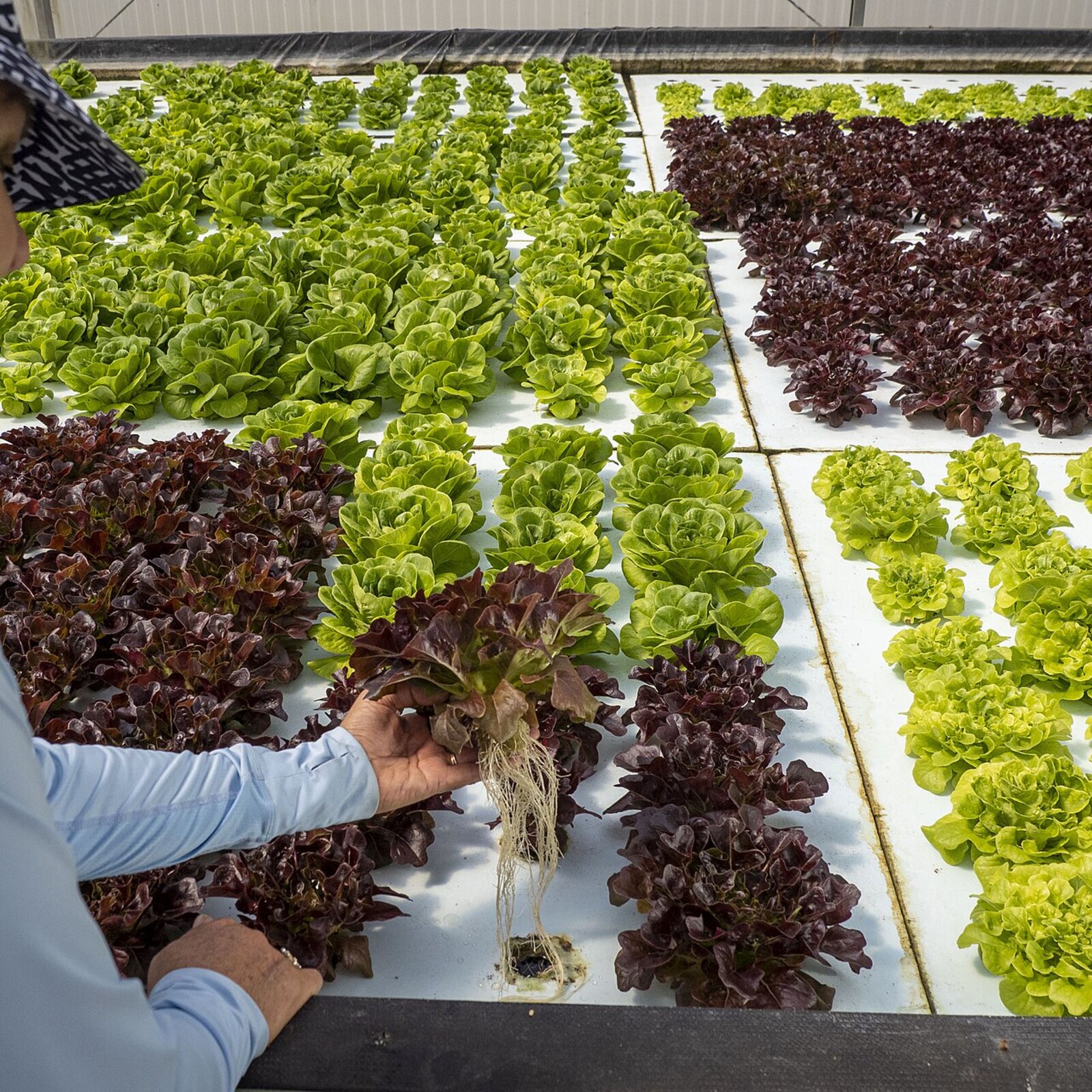
Built around your existing irrigation system
Nanobubbles are a layer on top of what you already run, not a replacement for it. We look at the complete recirculating water loop and apply the technology where the economics make sense.
- Existing buffer, day and drain tanks
- Your current fertigation and dosing setup
- UV and ozone disinfection already in place
- Sand, drum and mechanical pre-filtration
- Mechanical separation upstream where the solids load calls for it
- Biological treatment of the drain water where relevant
Get an assessment
With information such as tank volume, crop, recirculation flow and current oxygen level, we can work with you to make a professional assessment.
Or call us: +45 50 26 20 25