Horticultural Water Treatment
Cut wastewater costs, recover nutrients, and support far higher levels of water recirculation by replacing inefficient traditional filters with vibratory separation.
Stop Losing Water, Nutrients, and Money
All nurseries and greenhouse operations suffer from wastewater treatment costs, often caused by inefficient traditional filters such as sand filters or automatic filters. These produce large amounts of rinsing water that goes to waste. Our vibratory separator separates wastewater into reusable solid waste and a nutrient-rich water stream that can be reused as plant feed water in a closed loop.
The Problem with Traditional Filtration
Sand filters and automatic filters create excessive rinsing water, waste valuable nutrients, and drive up purification levies. The more you rinse, the more water and money you lose. Meanwhile, dissolved organics and pathogens build up in your recirculation system, threatening crop health.
Vibratory Separation: A Smarter Approach
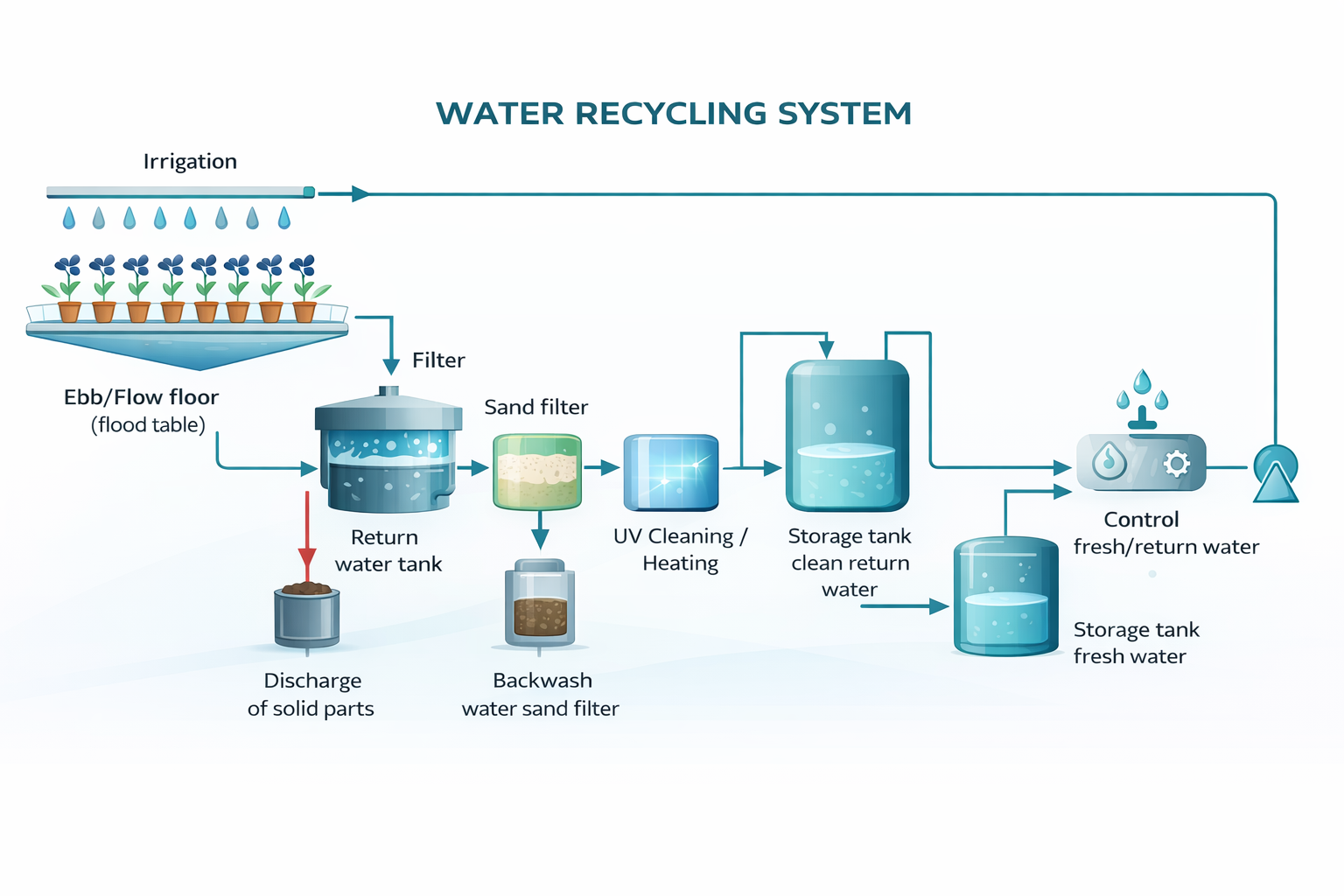
By placing a vibratory separator early in the water recycling process, almost all solid particles are filtered out immediately at high capacity, with no rinsing water needed.
High-capacity solid removal
The vibratory separator filters particles down to 20 microns at high throughput. Solids are recovered dry and can be disposed of as industrial waste or composted.
Nutrient-rich water reuse
The filtered water retains its dissolved nutrients and supports higher levels of recirculation as plant feed water, with far less nutrient loss and freshwater waste.
Optimised multi-screen design
Multiple screen layers allow you to optimise particle size distribution from coarse to fine. CIP connections, spray nozzles, and custom screen materials ensure the machine fits your exact process.
Why Growers Choose Vibratory Separation
Add Biological Treatment for Even Cleaner Water
Vibratory separation handles the solids, but what about dissolved organics and pathogens in your recirculation system? Combining separation with probiotic biotreatment tackles both physical and biological contamination.
Pathogen suppression
Beneficial bacteria outcompete harmful organisms like Pythium, Fusarium, and Phytophthora through competitive exclusion, reducing crop disease without chemicals.
Biofilm prevention
Enzymatic action breaks down organic buildup in pipes, drippers, and tanks, preventing blockages and eliminating bacterial harbours.
Balanced growing environment
Biological treatment helps stabilise pH and nutrient availability in recirculated water, supporting optimal plant uptake and consistent crop quality.
The Combined Effect
When vibratory separation and biotreatment work together, greenhouse operators achieve cleaner water, healthier crops, and dramatically lower operating costs, all without chemical dependency.
Probiotics That Work For Your Plants, Not Just Your Water
Our probiotic strains do more than clean recirculated water. Once introduced into the root zone, they form a living partnership with your crop, improving how plants absorb nutrients, resist stress, and develop stronger root systems. It's a natural, chemical-free way to boost plant performance and yield.
Stronger root development
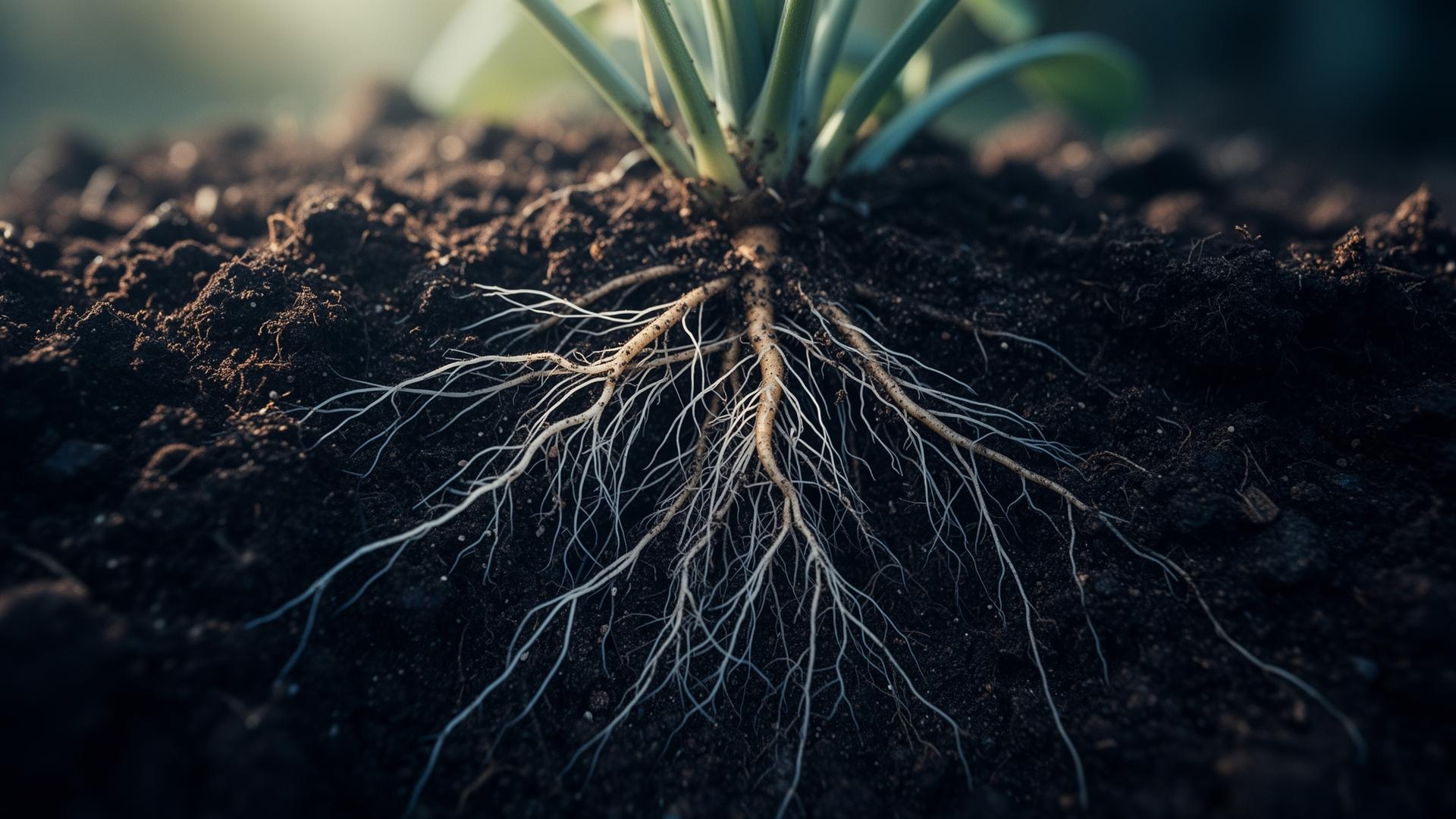
Beneficial microbes stimulate root mass and root hair formation, giving plants a larger surface area to absorb water and nutrients, the foundation of a healthier crop.
Improved nutrient uptake
Probiotic bacteria solubilise phosphorus, fix atmospheric nitrogen, and unlock micronutrients in the substrate, making fertilisers work harder and reducing input costs.
Natural growth stimulation
Selected strains produce phytohormones (such as auxins and cytokinins) that act as natural growth regulators, supporting faster germination, vigorous shoots, and uniform crop development.
Stress and disease resistance
A balanced rhizosphere microbiome helps plants tolerate drought, salinity, and temperature stress while suppressing soil-borne pathogens without synthetic pesticides.
Healthier soil & substrate
Continuous probiotic dosing rebuilds microbial diversity in coir, rockwool, peat, or soil, restoring biological activity that intensive cultivation tends to deplete.
Higher yield & better quality
Growers report stronger plants, more consistent crops, improved shelf life, and measurable yield gains, all while reducing reliance on chemical fertilisers and fungicides.
How It Works
From first dose to thriving crop. Here's how our probiotics move from your irrigation system into the root zone and translate into measurable plant performance.
- 1
Probiotic introduction
Concentrated probiotic blends are dosed directly into the recirculating irrigation line at low, continuous rates, with no special equipment or downtime required.
- 2
Distribution to the root zone
Live microbes travel with feed water through drippers and emitters, reaching every plant uniformly across the greenhouse.
- 3
Root colonisation
Beneficial strains attach to root surfaces and establish a protective biofilm in the rhizosphere, outcompeting pathogens like Pythium and Fusarium.
- 4
Nutrient unlocking & growth signalling
Colonised roots gain access to solubilised phosphorus, fixed nitrogen, and natural phytohormones (auxins, cytokinins) that stimulate root mass and shoot vigour.
- 5
Plant performance & yield
Stronger root systems, better stress tolerance, and improved nutrient uptake translate into healthier plants, more uniform crops, and measurable yield and quality gains.
Why nano bubbles in greenhouses & horticulture
Nanobubbles add oxygen to the irrigation water and keep it there longer. That gives better oxygen conditions in the root zone and a cleaner irrigation system. Measurements, trial results and a pilot process are collected on a page dedicated to nanobubbles in greenhouses.